
Honored to Help Preserve One of Newport's Oldest Landmarks
Recently, Slate & Copper Services had the privilege of participating in the roof restoration of the Wanton-Lyman-Hazard House, one of Newport's oldest surviving buildings, originally constructed around 1697. The home stands as a rare and enduring connection to more than three centuries of Newport history.
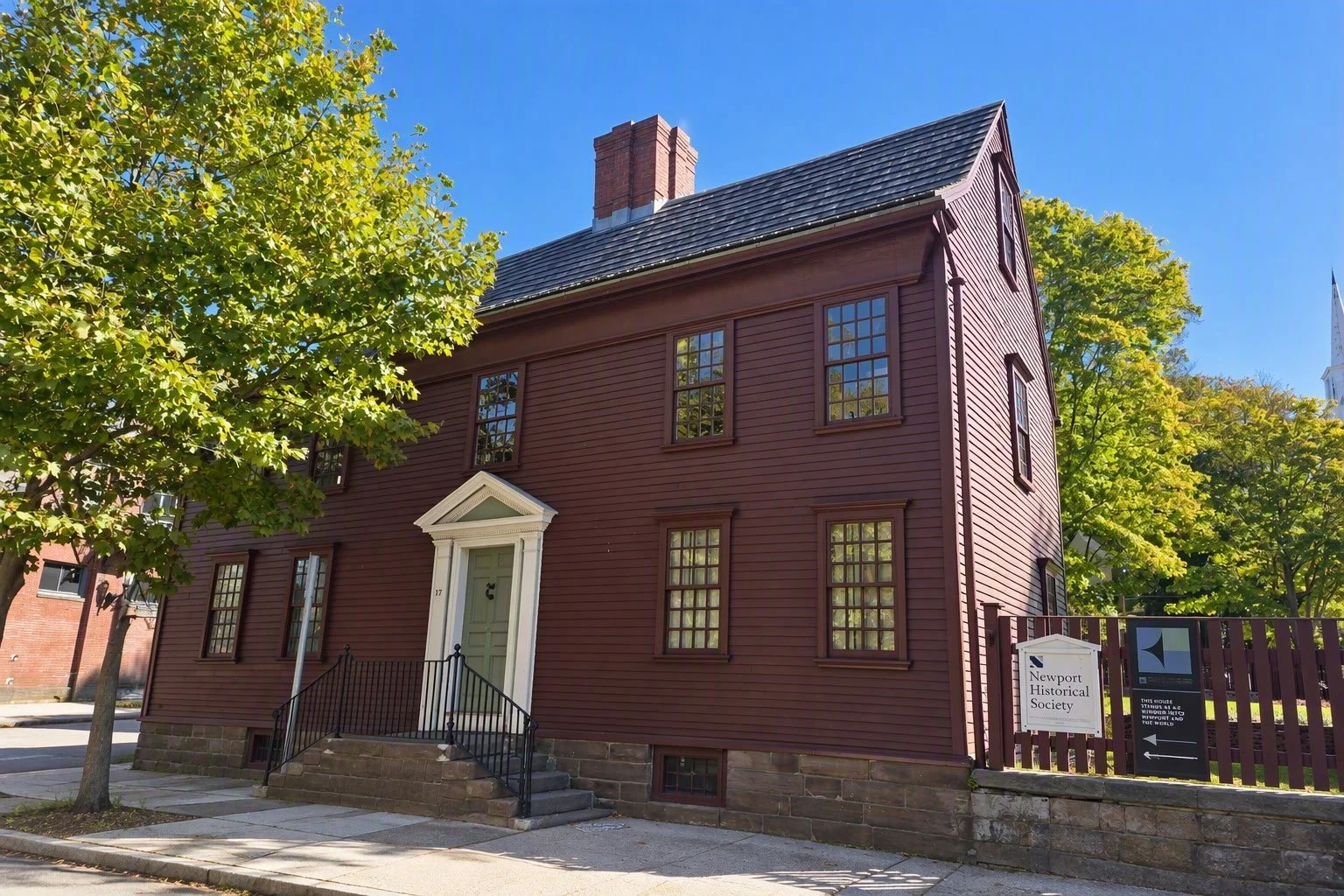
This remarkable project was made possible through the collaboration of skilled preservation professionals, including Damon Co., Kirby Perkins Construction, and Slate & Copper Services.
Historic restoration requires more than technical expertise. It demands respect for the craftsmen who came before us, a commitment to architectural authenticity, and a shared responsibility to preserve these structures for generations to come.
As specialists in historic roofing systems, we view our role not simply as contractors, but as stewards of Newport's architectural legacy. Contributing to the preservation of a landmark of this significance is both an honor and a responsibility we take seriously.
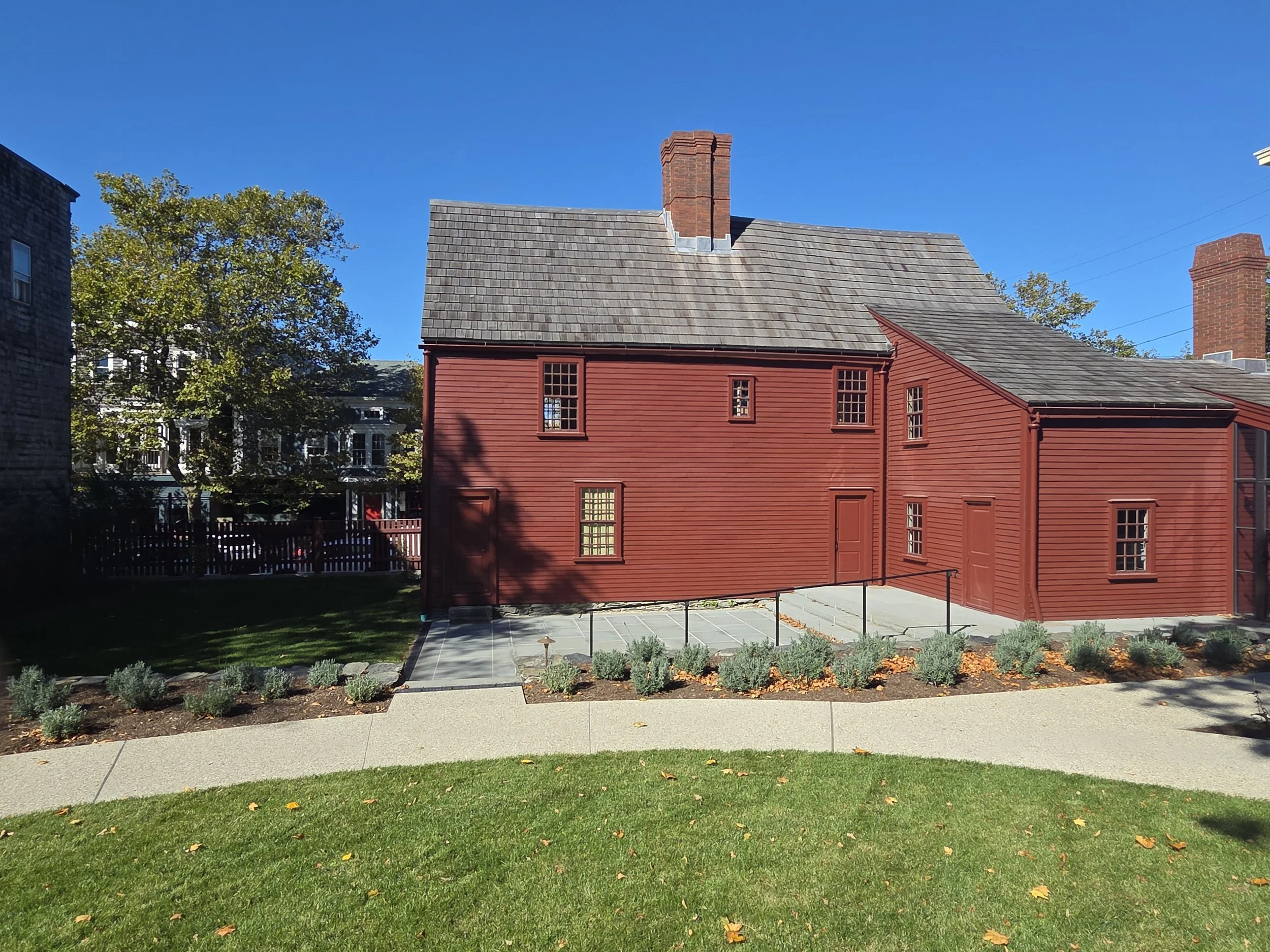
Origins (1690s)
The house was built around 1697 for Stephen Mumford, a prominent Seventh Day Baptist merchant and missionary who had come from England to Rhode Island in the 1600s. Originally, it was a relatively simple colonial structure with two rooms on each floor surrounding a central chimney.
Colonial Newport
Over the next century, the house passed through a number of influential Newport owners, including:
Richard Ward, who later became Governor of Rhode Island.
Martin Howard Jr., a Loyalist lawyer who supported British authority during the years leading up to the American Revolution.
During the Stamp Act protests of 1765, an angry mob targeted Howard because of his pro-British views. Howard was hanged in effigy, and the house suffered damage during the riots.
The Wanton, Hazard, and Lyman Families
The house later became associated with the three families that give it its current name:
John Wanton, a Quaker merchant and Governor of Rhode Island.
Benjamin Hazard, Speaker of the Rhode Island House of Representatives.
Daniel Lyman, an officer who served under George Washington during the Revolutionary era.
Members of these interconnected families owned the property from shortly before the Revolution until 1911.
Connection to Slavery
One of the house's most important historical stories involves the enslaved Africans who lived there. Research has documented enslaved individuals including Bristow, Jenny, Casen, and Cardardo, who lived in the attic quarters while the house was owned by prominent Newport families.
In 2005, archaeologists discovered an African spiritual object known as a nkisi bundle beneath the floorboards, believed to be connected to one of these enslaved residents. The find attracted national attention and deepened understanding of Newport's role in the transatlantic slave trade.
Preservation and Restoration
The Newport Historical Society acquired the house in 1927 and undertook a major restoration led by noted Rhode Island architect Norman Isham. The restoration sought to reveal and preserve the building's early colonial fabric while documenting changes made over more than two centuries.
In 1960, it became one of the first properties designated a National Historic Landmark.
Today
Today, the Wanton-Lyman-Hazard House is recognized not only for its architecture but also as a place that tells the broader story of Newport's colonial government, religious diversity, Revolutionary-era politics, and connections to slavery and Black history. The Newport Historical Society has been actively working to interpret those stories and restore the site for expanded public use.
#HistoricPreservation #NewportRI #WantonLymanHazardHouse #RoofRestoration #SlateRoofing #HistoricRoofing #ArchitecturalHeritage #Stewardship #SlateAndCopperServices
